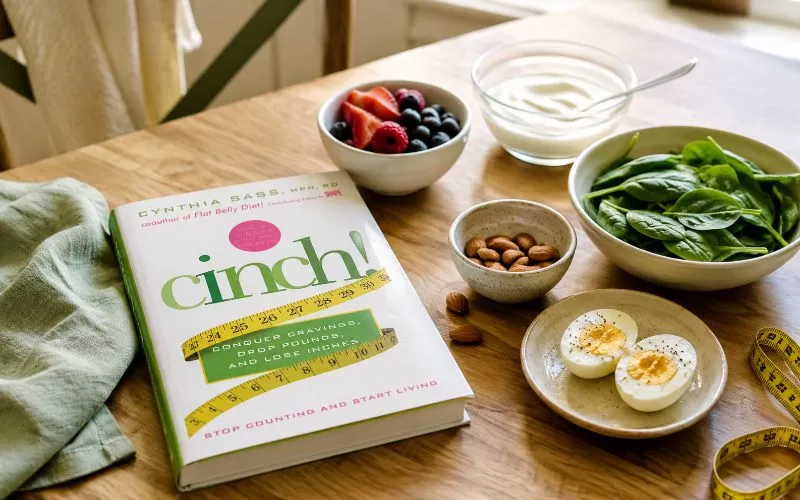
Editor’s Note: This article is based on my personal experience with the Cinch! diet book years ago. The book is no longer widely available in the same way it once was, and this post is kept as an archive of my experience, not as medical advice or a recommendation to follow this diet. Always speak with a qualified healthcare professional before making major diet changes. to your diet, especially if you have health concerns, take medication, or have a history of disordered eating.
Years ago, when I was much newer to blogging, I decided to try the Cinch! diet book by Cynthia Sass, and document my experience day by day. At the time, I was looking for a structured way to get back on track after the holidays, and the book’s promise of a short “Fast Forward” phase followed by a more flexible eating plan caught my attention.
Looking back now, I would not treat this as a modern diet recommendation. Diet culture, nutrition advice, and the way I blog have all changed a lot since then. However, I do think there is still value in sharing the experience honestly: what I ate, what was difficult, what felt helpful, and what I would view differently today. For a more general wellness approach, you may also enjoy these healthy nutrition tips.
What Is the Cinch Diet Book?
Cinch! was a diet book centered around the idea of eating specific combinations of foods at specific times, with an emphasis on produce, lean protein, whole grains, plant-based fats, and seasonings. The book included a stricter beginning phase called the 5-Day Fast Forward Plan, followed by a more flexible Core Program.
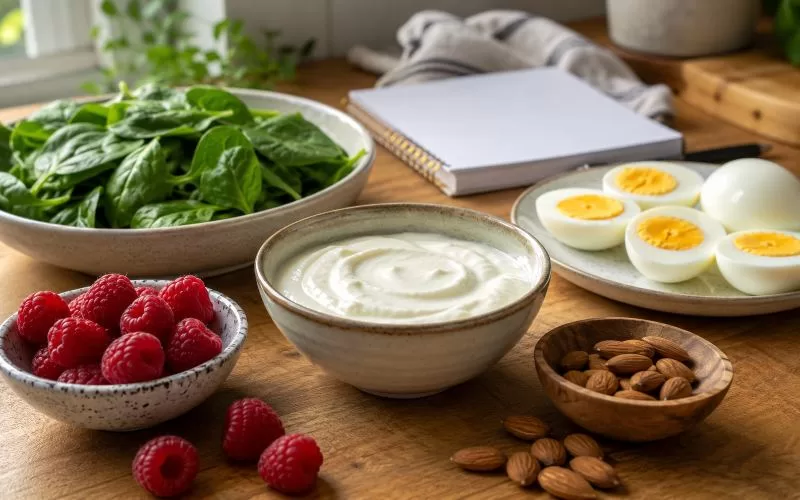
The 5-Day Fast Forward Plan was built around five foods:
- Spinach
- Eggs
- Plain yogurt
- Raspberries
- Almonds
At the time, I liked that the book focused on real foods instead of packaged diet products. I also liked that it did not ask me to count calories as the main method of following the plan. Instead, the structure was based on meal timing, portion control, and food combinations.
That said, the first five days were very restrictive. Looking back, that is one of the biggest reasons I would frame this as a personal archive rather than a current recommendation.
Why I Tried the Cinch Diet
When I started the plan, I wanted a reset after a period of not maintaining my weight the way I had hoped. My starting weight was 169 pounds, and I also took a few measurements so I could compare my results after one week.
I calculated the 5-Day Fast Forward meals at about 1,060 calories per day based on the specific foods I purchased. I used Greek yogurt instead of regular yogurt, which increased the protein compared to my first estimate.
Today, I would be much more careful about focusing heavily on calories or rapid weight changes. However, because this was originally written as a progress diary, I am keeping the experience honest while adding more context.
My Experience with the 5-Day Fast Forward Plan
The first five days were the hardest part of the Cinch Diet for me. The food list was extremely limited, and I quickly learned that eating the same few ingredients every day was not easy. Because this first phase is very limited, it is worth noting that the Academy of Nutrition and Dietetics cautions readers about restrictive diet plans that remove or severely limit foods.
Day 1: The Raspberry Problem
My first day was rough, mostly because of the raspberries. I bought frozen raspberries that tasted and smelled off, which made the meals much harder to enjoy. Since raspberries were one of the five main foods, they created a problem right away. Breakfast included eggs, spinach, raspberries, and almonds. I did not love the spinach mixed with the egg, so I started thinking about separating the foods instead of forcing them together.
Lunch was a yogurt parfait with raspberries, almonds, and cinnamon. Dinner was the easiest meal because I had spinach, egg, almonds, and balsamic vinegar as more of a salad. My snack was a yogurt, raspberry, almond butter, and cinnamon smoothie. By the end of the first day, I felt less bloated, but I also recognized that any fast drop on the scale was likely water weight.
Day 2: Making Adjustments
By the second day, the meals were easier. I switched things up by eating the egg separately and having the spinach more like a salad. I also used fresh raspberries and added blueberries as a backup because the frozen raspberries had been such an issue.
That small change made the plan more manageable. The food still was not exciting, but it was easier to get through. I also noticed I felt less bloated, which was motivating at the time. However, I was still getting hungry before dinner, which told me the timing of the meals mattered a lot.
Day 3: Energy and Meal Timing
By the third day, I had a lot of energy. I was also running during this time, so I believe the energy came from a combination of cleaner eating, less sugar, and exercise.
This was also when I realized the sample meal timing in the book did not fit my real life. The plan encouraged eating within a certain window after waking and spacing meals several hours apart, but that did not work perfectly with my work schedule.
I adjusted my meal timing so I could have a mid-afternoon snack instead of eating later at night after dinner. This was one of the more practical takeaways from the experience: even structured plans have to work with real life. Because I was also exercising during this trial, readers interested in building an exercise habit may find these tips for starting a running program helpful.
Day 4: Boredom Set In
By the fourth day, I was ready for variety. I was still following the plan, but the same foods were getting old. I used frozen blueberries in parfaits and smoothies, and saved fresh raspberries for the meals where I could eat them on the side.
The biggest positive was that stress at work did not trigger cravings the way it sometimes would have before. Whether that was because of the plan, the structure, or simply being focused on the challenge, it helped me stay consistent.
Day 5: Ready for the Next Phase
The fifth day was surprisingly difficult. I was busy, stressed, and tired of the limited food choices. I also had to grocery shop and prepare meals for the next phase, which was the Core Program.
That night, I prepped meals that sounded much more appealing, including a blueberry smoothie with almond toast, chilled herb chicken pasta salad, cinnamon walnut apple crisp, and black bean tacos with guacamole.
After five days of the same few foods, those meals sounded amazing.
Moving Into the Core Program
The Core Program was much easier for me than the 5-Day Fast Forward Plan. It allowed more variety while still following the basic structure of combining protein, produce, whole grains, and plant-based fats.
On Day 6, I had:
- Blueberry smoothie with almond toast
- Chilled herb chicken pasta salad
- Cinnamon walnut apple crisp
- Black bean tacos with guacamole
- Dark chocolate after dinner
The cinnamon walnut apple crisp and tacos were my favorite meals from the experience. After five restrictive days, having texture, flavor, and variety made a huge difference.
This was also when I noticed that my cravings felt more controlled. At the time, I described it as my taste buds changing after several days without sugar and processed foods. Looking back, I would phrase that more carefully, but I do think stepping away from highly sweet foods for a few days made naturally sweet foods taste more satisfying.
My 7-Day Results
At the end of the week, my weight had changed from 169 pounds to 158.2 pounds, a total difference of 10.8 pounds. For current context, the CDC notes that gradual, steady weight loss is more likely to be maintained than rapid weight loss.
I want to be very clear: that should not be viewed today as a typical or expected result. A fast drop like that is likely heavily influenced by water weight, food volume, sodium changes, and other short-term factors. It was motivating at the time, but it should not be viewed as a promise of what anyone else would experience.
The more useful takeaways were not really about the number on the scale. They were:
- Structure helped me stay focused.
- Meal timing mattered for hunger.
- Too little variety made the first phase hard to stick with.
- The Core Program felt much more realistic than the first five days.
- Planning meals ahead made the process easier.
- The restrictive first phase would not be something I would casually recommend today.
What Worked for Me
The biggest thing that worked was having a clear plan. I did not have to think much about what to eat during the first five days because the food list was so limited. That structure made it easier to stay focused, even though the meals were repetitive.
The second helpful part was the transition into more balanced meals. Once I moved into the Core Program, the meals felt more normal and enjoyable. The plan also encouraged putting meals together with protein, produce, whole grains, and healthy fats, which is a more sustainable idea than simply eating as little as possible.
What Did Not Work for Me
The strict first five days were difficult. Eating the same few foods became boring quickly, and some of the meals were hard to enjoy. The plan also required a lot of grocery planning, especially because berries can be expensive and fresh raspberries are not always easy to find.
The daily weigh-ins also created too much focus on small changes. I did them because I was documenting the experience, but I would not want that to become the main measure of success today.
Would I Recommend the Cinch Diet Today?
I would not recommend treating this as a current diet plan to start without professional guidance. The book is older, the first phase is restrictive, and diet advice has changed since this was originally published.
However, as a personal review of an old diet book, I do think the experience still has value. It shows what the plan was like in real life, including the parts that were inconvenient, repetitive, motivating, and surprisingly enjoyable once the Core Program began.
If you come across a used copy of Cinch! and are curious about it, I would view it as an older diet book with some useful meal-structure ideas, not as a magic weight-loss solution.
Final Thoughts on My Cinch Diet Experience
Looking back, I can see why I was interested in the plan. I wanted structure, I liked the focus on real food, and I appreciated that the book tried to explain how to build meals instead of only giving strict menus.
But I can also see why these old daily progress posts no longer make sense as separate articles. They were written like a real-time diary, which was common in early blogging, but they are not the kind of helpful evergreen content I would publish today.
The best way to preserve this experience is as one honest review: an archive of what I tried, what happened, and what I learned from it. In the 5-Day Fast Forward program from the Cinch diet book: