Aloe vera is one of those simple beauty staples that has stayed popular for good reason. It is affordable, easy to find, and useful for everything from soothing sun-exposed skin to adding lightweight hydration to a basic beauty routine. While I do not think of aloe vera as a miracle fix, I do think it is one of those practical products that can be helpful to keep on hand. While I do not think of aloe vera as a miracle fix, it is one of those useful products that can be helpful to keep on hand.
If you live somewhere warm and sunny, aloe vera feels especially useful. Between pool days, beach trips, gardening, walking outside, or simply spending too much time in the sun, skin can start to feel dry, tight, or irritated. Aloe vera for skin and hair can be a simple addition to your routine when you want something cooling, lightweight, and easy to use without making your beauty routine feel complicated.
What Is Aloe Vera?
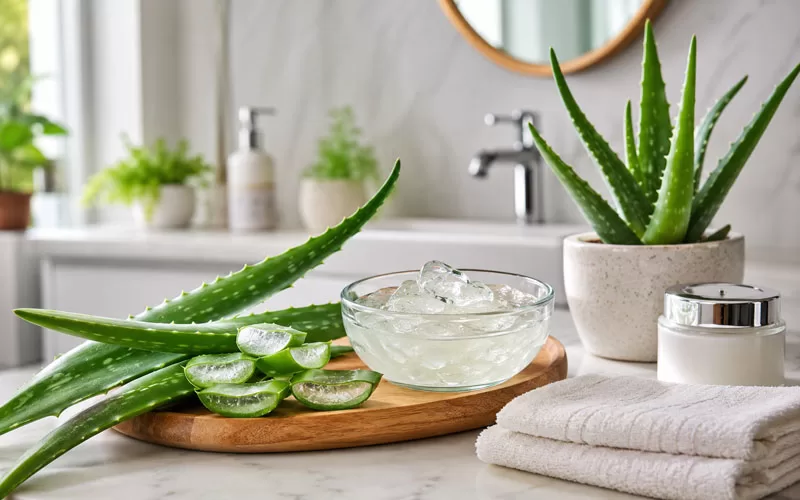
Aloe vera is a succulent plant with thick leaves that contain a clear gel inside. That gel is the part most people recognize from after-sun products, moisturizers, face masks, and hair care treatments. It has been used in beauty routines for years because it feels cool on the skin and is often included in products designed to soothe and hydrate.
It is helpful to know the difference between the parts of the plant:
- Aloe vera gel is the clear gel commonly used on the skin.
- Aloe latex comes from a different part of the plant and is more often associated with oral use.
- Store-bought aloe products may include added fragrance, dyes, alcohol, or preservatives.
According to the National Center for Complementary and Integrative Health, topical aloe gel is generally well tolerated, but some people may experience burning, itching, rash, or irritation. That is why I think aloe is best treated like any other skincare ingredient. Natural does not automatically mean perfect for everyone, and even gentle products can bother sensitive skin.
Aloe Vera as a Lightweight Skin Moisturizer
One of the easiest ways to use aloe vera is as a lightweight moisturizer. It feels fresh and cooling, especially when your skin feels warm, tight, or slightly uncomfortable after being outside. Since aloe gel is usually lighter than a cream or lotion, it can be a nice option when you do not want anything heavy or greasy on your skin.
For mature or very dry skin, aloe vera may not be enough on its own. It can add a nice layer of hydration, but many people still need a regular moisturizer on top to help keep skin feeling soft and comfortable. I would think of aloe as a helpful extra step rather than a replacement for a good moisturizer.
This is especially true if your skin has changed with age, weight loss, hormones, or dryness. In my own simple over 50 skincare routine, I have learned that realistic skincare is more about consistency than chasing one perfect product. Aloe can fit into that kind of routine because it is simple, affordable, and easy to use when your skin needs a little extra comfort.
Aloe Vera for Sun-Exposed Skin
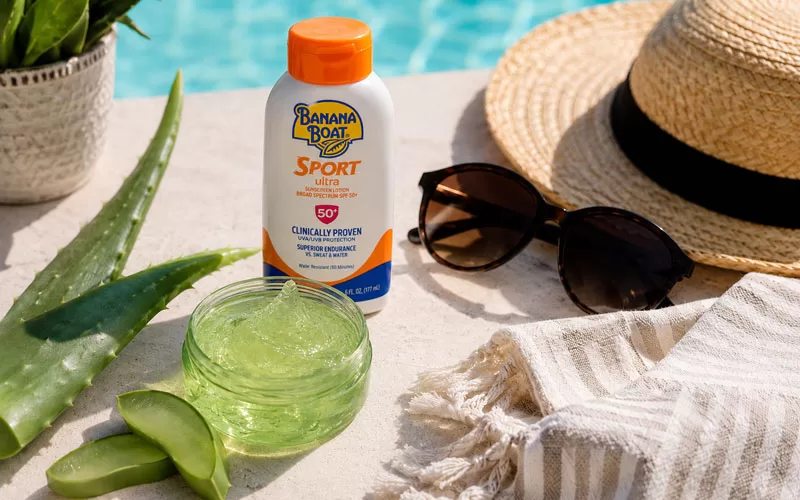
Aloe vera is probably best known for sun-exposed skin. After a day outside, it can feel cooling and soothing, especially if your skin feels warm or dry. The American Academy of Dermatology recommends using a moisturizer that contains aloe vera or soy to help soothe sunburned skin, along with cool baths or showers and extra water.
That does not mean aloe vera replaces sunscreen or makes a sunburn harmless. Sun damage still matters, especially here in Florida, where it is easy to underestimate how much sun you are getting. I think of aloe as one small piece of feeling fresh and comfortable in summer, along with sunscreen, lighter skincare, simple hair, and staying hydrated. Aloe may help your skin feel better afterward, but prevention is still the most important part of any beauty routine.
A few simple after-sun habits can help your skin feel more comfortable:
- Take a cool shower after being outside.
- Drink extra water if you have been in the heat.
- Apply aloe vera or a gentle moisturizer while skin is slightly damp.
- Avoid heavily scented lotions if your skin feels irritated.
- Keep aloe vera gel in the refrigerator for a cooler feel.
I like the idea of keeping aloe vera gel nearby during summer, especially if you spend time at the pool, beach, or outside with family. It is one of those products that does not take up much space but can be useful when your skin feels like it needs something light and calming.
Aloe Vera for Dry or Irritated Skin
Aloe vera can also be helpful when skin feels dry, irritated, or uncomfortable. This might be after shaving, after spending time outside, or during seasons when your skin just feels more sensitive than usual. Since it is lightweight, it can be an easy first layer before a fragrance-free moisturizer.
The key is to keep it simple. If your skin is already irritated, this is not the time to layer on a bunch of heavily scented products. A plain aloe vera gel or a gentle moisturizer with aloe is usually a better choice than something packed with fragrance, glitter, cooling menthol, or unnecessary extras.
You should also avoid using aloe vera as a fix for serious skin problems. Deep burns, open wounds, severe rashes, signs of infection, or intense sunburn should be handled with medical guidance. Aloe can be a nice comfort product, but it is not a substitute for professional care when something looks or feels wrong.
Aloe Vera for Acne-Prone or Sensitive Skin
Aloe vera is sometimes used by people with acne-prone or sensitive skin because it feels calming and light. It may help reduce the feeling of dryness or tightness that can happen when using stronger skincare products. However, I would avoid making big claims that aloe clears acne or erases acne scars, because skin is more complicated than that.
If you are using acne products, retinoids, exfoliating acids, or prescription skincare, aloe vera may be best used carefully and occasionally. Some people tolerate it beautifully, while others may find that even simple ingredients can sting or cause redness. Start with a small amount and pay attention to how your skin reacts.
For sensitive skin, fewer products are usually better. Aloe can be a gentle-feeling option, but it should still earn its place in your routine. If your skin feels worse after using it, that is your sign to stop and simplify.
Can Aloe Vera Help With Aging Skin?
Aloe vera is often mentioned in beauty articles as an anti-aging ingredient, but I would be careful with that wording. Aloe vera can support skin hydration and comfort, and hydrated skin often looks fresher and smoother. That is different from saying it prevents aging or reverses wrinkles.
For aging skin, the biggest beauty basics still matter most. Sunscreen, gentle cleansing, consistent moisturizer, and dermatologist-recommended products will usually do more than relying on aloe vera alone. Aloe can be a nice supporting product when your skin feels dry or irritated, but it is not a replacement for the stronger, more proven parts of a skincare routine.
I think aloe fits best into a realistic beauty routine where the goal is healthier-looking skin, not perfection. It can help skin feel more comfortable, especially when paired with good daily habits. That is where aloe vera can still have a place in a realistic skincare routine.
Aloe Vera for Hair and Scalp
Aloe vera can also be used in hair care, especially if your hair feels dry, frizzy, or dull. Because it is lightweight, some people like using a small amount on the ends of their hair before washing or mixing it into a simple hair mask. It may also feel cooling on the scalp, especially if your scalp feels dry or tight.
The trick is not to overdo it. Too much aloe gel can leave some hair types feeling sticky or coated, especially if the product has extra ingredients. Start with a small amount, focus on the ends or scalp, and wash it out if your hair does not feel good afterward.
If your hair is already dry or damaged, aloe can be one small part of a bigger routine. I would pair it with gentler washing, less heat styling, regular conditioning, and simple habits that help restore dry, damaged hair naturally. Aloe may help add softness and moisture, but the best results usually come from treating your hair more gently overall.
How to Choose an Aloe Vera Product
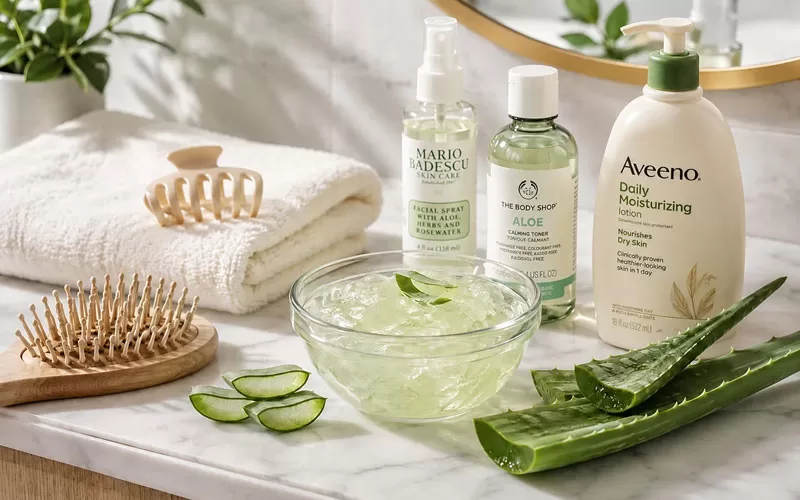
When buying aloe vera gel, look for something simple. A product labeled as pure aloe vera gel or fragrance-free aloe gel is usually a better choice than one loaded with dyes, perfume, or unnecessary extras. The shorter and simpler the ingredient list, the easier it is to know what your skin is reacting to if irritation happens.
Some green aloe gels are colored to look more plant-like, but aloe vera gel itself is naturally clear. That does not automatically mean every green product is bad, but it is worth checking the label. If your skin is sensitive, fragrance-free and dye-free products are usually the safer direction.
You can also use gel directly from an aloe plant, but that takes a little more care. The leaf should be washed, the clear gel should be separated from the yellow latex, and the gel should be used fresh. If you are not comfortable doing that, a simple store-bought aloe vera gel is usually easier and more practical.
How to Use Aloe Vera Safely
Aloe vera is simple, but it still deserves a little caution. Before using it on your face, apply a small amount to your inner arm or another discreet area and wait to see how your skin reacts. If you notice stinging, itching, redness, bumps, or a rash, skip it.
A few safety reminders are worth keeping in mind:
- Patch test before using aloe vera on your face or scalp.
- Avoid using aloe on deep burns, open wounds, or infected skin.
- Stop using it if your skin stings, itches, or develops a rash.
- Choose fragrance-free aloe products if your skin is sensitive.
- Do not assume natural ingredients are automatically irritation-free.
You should also be careful with oral aloe products. The Mayo Clinic notes that aloe gel is generally safe when used as suggested on the skin, but taking aloe latex or whole-leaf extract by mouth may be unsafe. Since this article is about beauty uses, I would keep aloe vera as a topical product unless your healthcare provider specifically recommends otherwise.
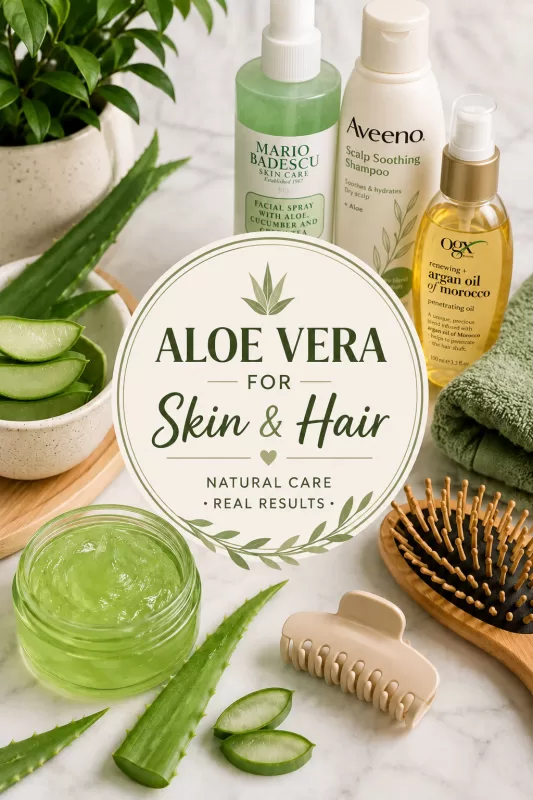
Easy Ways to Add Aloe Vera to Your Beauty Routine
The nice thing about aloe vera is that it does not require a complicated routine. You can use it in small, practical ways and see whether your skin or hair likes it. It is also affordable enough that you do not have to treat it like a luxury product.
After a shower, you can smooth a thin layer onto skin that feels warm, dry, or tight, then follow with moisturizer if your skin needs more. After a day outside, chilled aloe vera gel can feel especially refreshing. For hair, a small amount can be applied to dry ends before washing, or used occasionally when your scalp feels tight or dry.
If you enjoy relaxing bath routines, aloe can also fit nicely into that slower, calmer kind of self-care. After a warm bath, especially one focused on relaxing and unwinding, a light layer of aloe followed by moisturizer can feel refreshing. It pairs well with simple routines like a relaxing bath with Epsom salt when your goal is comfort more than complicated beauty steps.
A Simple Beauty Staple Worth Keeping Around
Aloe vera is a simple beauty staple with a lot of practical uses. It can help skin feel cooler, more hydrated, and more comfortable, especially after sun exposure or when your skin feels dry and tight. It can also be a simple addition to hair care when your ends or scalp need a little lightweight moisture.
For me, the appeal is that aloe vera is practical. It is easy to find, easy to use, and simple enough to fit into a real-life beauty routine without adding a lot of extra steps. As long as you use it safely, patch test first, and keep expectations realistic, aloe vera for skin and hair can be a helpful product to keep in your bathroom cabinet.